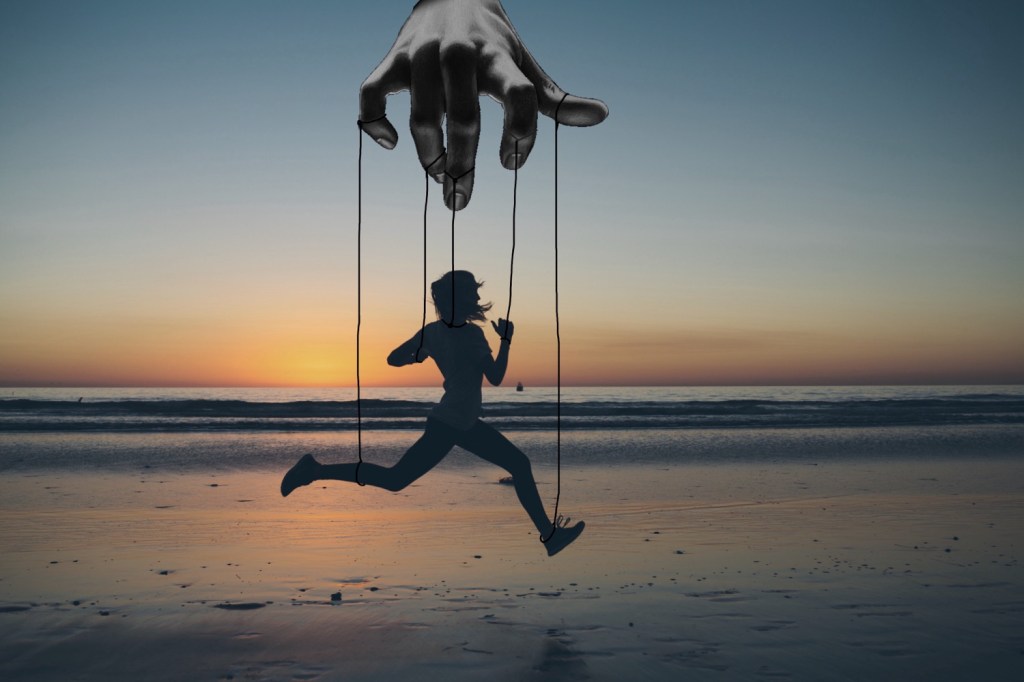
In every society, whether in politics, business, or even daily social structures, there exists a recurring pattern: those at the bottom often find themselves in conflict, while those at the top, who pull the strings, tend to share alliances. This paradox is well illustrated by the saying, “the pawns always hate each other, but the players are friends.”
The nature of pawns
In the game of chess, pawns are the most numerous pieces on the board. They are seen as expendable, pushed forward to protect more valuable pieces or to create strategic openings. In the metaphorical sense, pawns represent the common people, workers, or those without significant influence. Their lives are spent in competition for limited resources, jobs, recognition, opportunities, and survival. Because of this scarcity, pawns often clash with one another, failing to see that their struggles are being shaped and directed by those who control the game.
The players behind the board
The individuals who play chess: the ones making the moves, are often friends, colleagues, or at least respectful adversaries. In politics, opposing leaders may publicly spar, but behind closed doors they often dine together, strike deals, and protect shared interests. In business, rival CEOs might compete fiercely in the marketplace, yet still belong to the same elite circles, attending the same conferences and enjoying mutual respect.
The irony is that while the pawns believe they are fighting personal battles, the real contest is happening at a higher level, often with far less hostility. The players may differ in objectives, but they usually understand each other’s strategies, play by agreed rules, and maintain a level of civility unseen among the pawns.
As a matter of fact, this is not even a secret. So it’s not like I am revealing anything that isn’t already known. The real question is, what can you do about it?
- Recognize the Game: Many conflicts among ordinary people are manufactured or exaggerated to keep attention away from systemic issues.
- Build Unity Among the Powerless Individuals: If ordinary people stopped fighting each other, they could transform the balance of power into the kind that serves them, and not only the powerful.
- Question the Players: Instead of resenting the ordinary individuals, examine the bigger picture. It is wiser to ask who benefits from the divisions and who is really controlling the moves.
This is more than an observation, it is a mirror of society. It reminds us that enmity among the powerless often serves the interests of the powerful. The real challenge lies not in fighting one another, but in understanding the game being played.
©️Victor E. Ojei, 2025.
 VICTOR OJEI
Yes! You have it perfect. Especially concerning USA politics
LikeLiked by 2 people
You’re on point, only it’s not limited to USA. It’s a global thing. There is a popular phase: “the more you look, the less you see.”
LikeLike
Sickening but totally true! Excellent article.
LikeLiked by 2 people
Exactly.
Thank you 🙏🏾
LikeLiked by 1 person
True, true. I just listened to a series of lectures about the wars that devastated Europe over the past few centuries and not only were the opposing rulers friends they were in many cases members of the same family. What a sick joke.
LikeLiked by 2 people
One thing I have come to understand about the ruling class is that there are no enemies, only interests. They don’t necessarily have to be friends, but respected adversaries.
LikeLiked by 1 person
The “game” you’ve described is not a secret, and that’s precisely why it’s so important to talk about. The challenge isn’t to expose the powerful—they often operate in plain sight—but to change the behavior of the powerless.
LikeLiked by 1 person
You said it as it is, spot on. Stay blessed 🙏🏾
LikeLiked by 1 person
Thank u 😇 means a lot ✨
LikeLiked by 1 person
In the game of chess I choose to not be distracted by the opposing player. Well stated premise that I agree with.
LikeLiked by 1 person
I hear you sir. Thank you.
Stay blessed. 🙏🏾
LikeLiked by 1 person
I have made many attempts at making the ordinary folks around me understand this game but to no avail. Sometimes they it only invites their ire.
LikeLiked by 2 people
It’s a force that preys on emotion, it’s psychological.
To the higher ups it’s a game, while to the rest of the people, it’s a life or death situation, but keeps losing because they are looking in the wrong direction, and not the players.
LikeLike